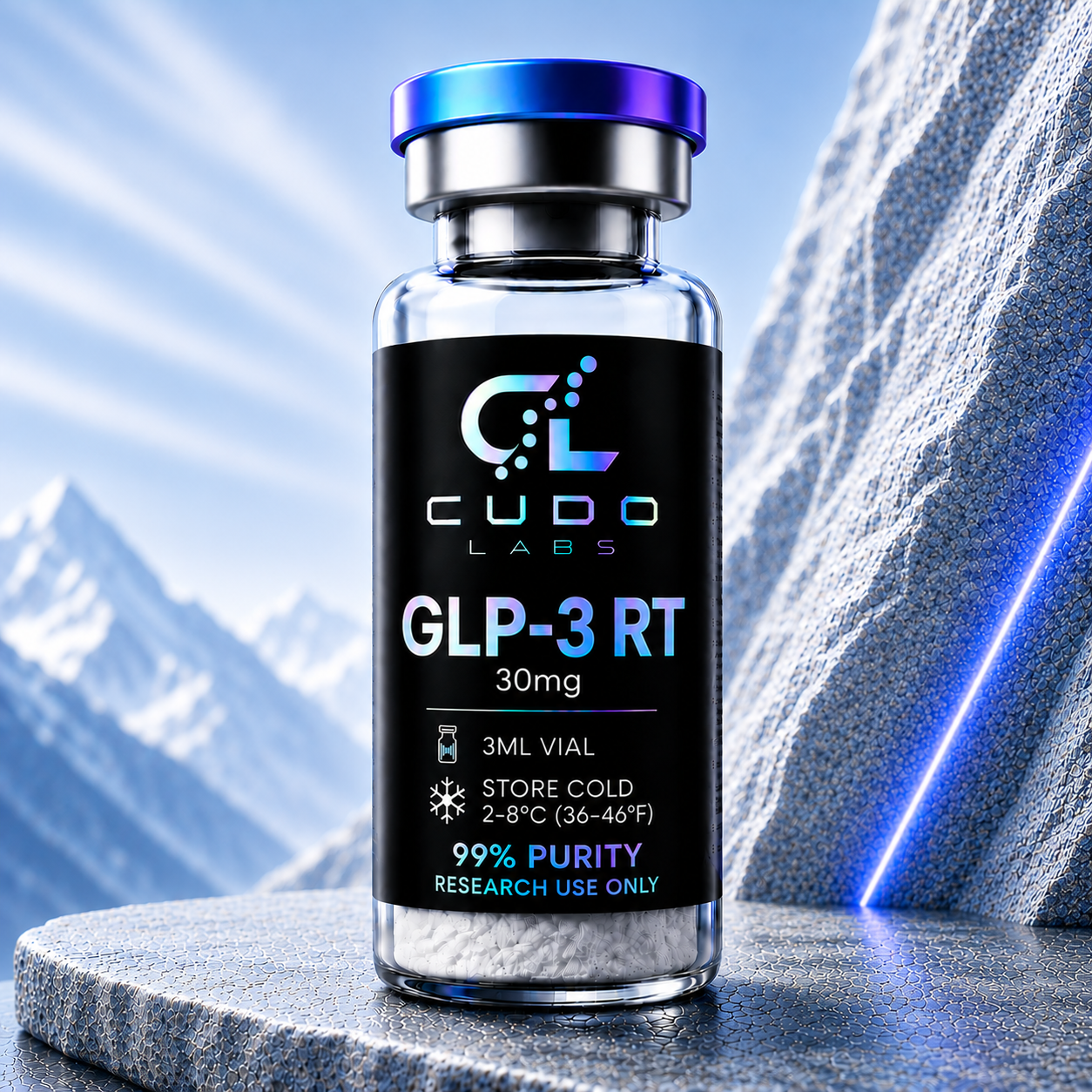
Product Description
RT GLP-3 (LY3437943) represents the cutting-edge of multi-agonist peptide , rationally designed as a triple agonist that simultaneously activates three distinct metabolic hormone receptors: the glucagon-like peptide-1 (GLP-1) receptor, the glucose-dependent insulinotropic polypeptide (GIP) receptor, and the glucagon receptor (GCGR).
The pharmaceutical industry’s evolution has progressed from single-target approaches (pure GLP-1 agonists like sm) to dual agonists (GLP-1/GIP like TR), and now to triple agonists like RT GLP-3 that attempt to orchestrate an even more comprehensive metabolic remodeling by simultaneously modulating multiple complementary pathways.
RT GLP-3 was specifically engineered with carefully optimized potencies at each of its three target receptors, balancing the appetite-suppressing and glucose-lowering effects of GLP-1 and GIP activation against the energy-expenditure-enhancing and fat-oxidizing effects of glucagon activation. This balancing act is critical because glucagon classically raises blood glucose (opposing insulin’s effects), but when combined with GLP-1 agonism, the glucose-raising effects are counteracted.
Mechanism of Action
RT GLP-3 exerts effects through simultaneous and carefully balanced activation of three G-protein coupled receptors with distinct but complementary metabolic functions.
GLP-1 Receptor Activation
The GLP-1 receptor component provides effects that have become the cornerstone of modern pharmacotherapy: activation of GLP-1 receptors in the hypothalamus and brainstem powerfully suppresses appetite and induces satiety through effects on proopiomelanocortin (POMC) neurons and other appetite-regulatory circuits, leading to substantial reductions in caloric intake.
GLP-1 receptor activation on pancreatic beta cells enhances glucose-dependent insulin secretion, improving glycemic control while minimizing hypoglycemia risk. GLP-1 also slows gastric emptying, reducing the rate at which nutrients enter the small intestine, which contributes to satiety and moderates postprandial glucose excursions..
Glucagon Receptor Activation
The glucagon receptor component represents the unique addition in RT GLP-3 compared to dual agonists, providing effects specifically designed to enhance energy expenditure and fat oxidation: glucagon powerfully increases energy expenditure through thermogenic effects, boosting metabolic rate and caloric burning.
Glucagon promotes hepatic fatty acid oxidation (fat burning in the liver) and reduces intrahepatic lipid accumulation, which is particularly beneficial for MASH/NAFLD. It also enhances peripheral fat oxidation in skeletal muscle and other tissues, and may improve lipid metabolism and cardiovascular risk profiles through multiple mechanisms.
Balanced Triple Receptor Signaling
The critical innovation in RT GLP-3 is the careful balancing of these three receptor activities – the glucagon receptor activation could theoretically raise blood glucose (glucagon’s classical effect), but this is counteracted by the concurrent GLP-1 receptor activation which lowers glucose through multiple mechanisms.
At the molecular level, all three target receptors are Gs-coupled GPCRs that signal through cyclic AMP (cAMP) and protein kinase A (PKA), creating coordinated intracellular signaling that comprehensively shifts metabolism toward a catabolic state favoring fat oxidation.
Safety Profile
RT GLP-3 is currently in late-stage clinical development with ongoing safety evaluation through comprehensive Phase 3 trials, but existing Phase 1 and Phase 2 data provide substantial information about its safety profile.
RT GLP-3 is not approved for clinical use and is available only through clinical trials. Current evidence suggests its safety profile is manageable and consistent with the incretin class, with no major safety barriers identified to date.