
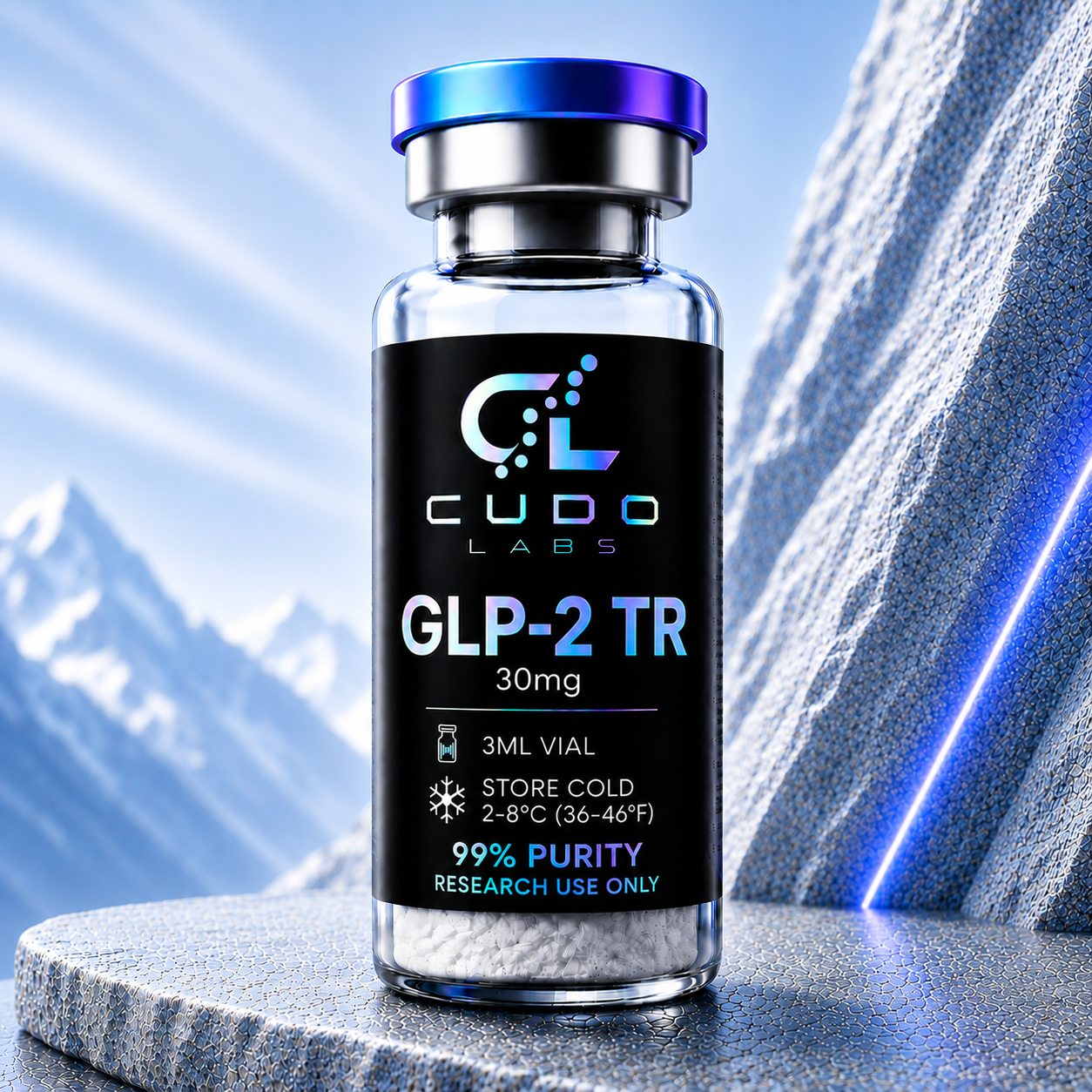
TR GLP-2 is a groundbreaking dual glucose-dependent insulinotropic polypeptide (GIP) and glucagon-like peptide-1 (GLP-1) receptor agonist, representing the first medication in a new class of dual incretin receptor agonists.
Dual Receptor Targeting
This synthetic peptide, consisting of 39 amino acids, activates both GIP and GLP-1 receptors with a single molecule, providing synergistic metabolic effects that surpass single-target approaches. As a dual agonist, TR GLP-2 has demonstrated superior efficacy compared to selective GLP-1 receptor agonists in both glycemic control and weight reduction.
Mechanism of Action
TR GLP-2 functions through simultaneous activation of both GIP and GLP-1 receptors, creating complementary and synergistic effects on glucose metabolism and energy balance.
GLP-1 Receptor Effects
GLP-1 receptor activation enhances glucose-dependent insulin secretion from pancreatic beta cells, suppresses inappropriate glucagon release from alpha cells, slows gastric emptying to moderate postprandial glucose excursions, and promotes satiety through central nervous system effects in the hypothalamus and brainstem.
GIP Receptor Benefits
The addition of GIP receptor agonism provides unique benefits: GIP enhances insulin secretion with a different kinetic profile than GLP-1, potentially improves insulin sensitivity in peripheral tissues, may enhance energy expenditure through thermogenic effects in adipose tissue, and appears to reduce food intake through complementary central mechanisms.
The dual agonism results in greater reductions in HbA1c and more substantial weight loss compared to selective GLP-1 agonists.
Research Findings
TR GLP-2’s clinical development program is among the most comprehensive for any metabolic medication, with the SURPASS trial program establishing efficacy in type 2 diabetes and the SURMOUNT program demonstrating weight management benefits.
Additional Benefits
Beyond weight and glycemic outcomes, studies have documented significant improvements in cardiovascular risk markers, liver fat reduction in NASH, improvements in obstructive sleep apnea, and enhanced quality of life metrics.
The ongoing SURMOUNT-MMO trial is examining cardiovascular outcomes in obesity, and preliminary data suggests significant cardiovascular benefits. Metabolic improvements include enhanced insulin sensitivity, reduced hepatic steatosis, favorable lipid changes with LDL and triglyceride reductions, and improvements in systemic inflammation markers.
Research Applications
- Type 2 diabetes treatment and glycemic control research
- Obesity management and substantial weight loss studies
- Dual incretin receptor agonism research
- Metabolic syndrome and insulin resistance studies
- Cardiovascular risk factor modification research
- Non-alcoholic fatty liver disease (NAFLD/NASH) studies
- Body composition and adipose tissue research
- Appetite regulation and energy balance studies
- Combination incretin therapy research
- Bariatric surgery alternative studies
- Lipid metabolism and dyslipidemia research
- Inflammatory marker reduction research
Safety Profile
TR GLP-2 has been extensively evaluated for safety across multiple Phase III trials involving thousands of participants with exposure durations extending beyond two years. The safety profile is well-characterized and generally favorable.
Gastrointestinal Effects
Similar to other incretin-based therapies, gastrointestinal adverse events are the most common. Nausea occurs in approximately 20-35% of participants (dose-dependent), typically mild to moderate and decreasing with continued treatment and proper dose titration.
Diarrhea affects about 20-25%, vomiting about 10-20%, constipation about 10-15%, and dyspepsia occurs in some patients. These GI effects are most pronounced during dose escalation and can be minimized through gradual titration and dietary modifications.
Serious Adverse Events
Serious adverse events are uncommon but include acute pancreatitis (incidence similar to other GLP-1 agonists, approximately 0.2%), gallbladder disorders (cholecystitis, cholelithiasis) occurring more frequently than placebo likely due to rapid weight loss, and rare cases of severe hypoglycemia when combined with insulin or sulfonylureas.
SteveG –
Works fantastic!!!!